Why Artificial Intelligence Is Not a Threat to Humans, but an Amplifier of Human Potential

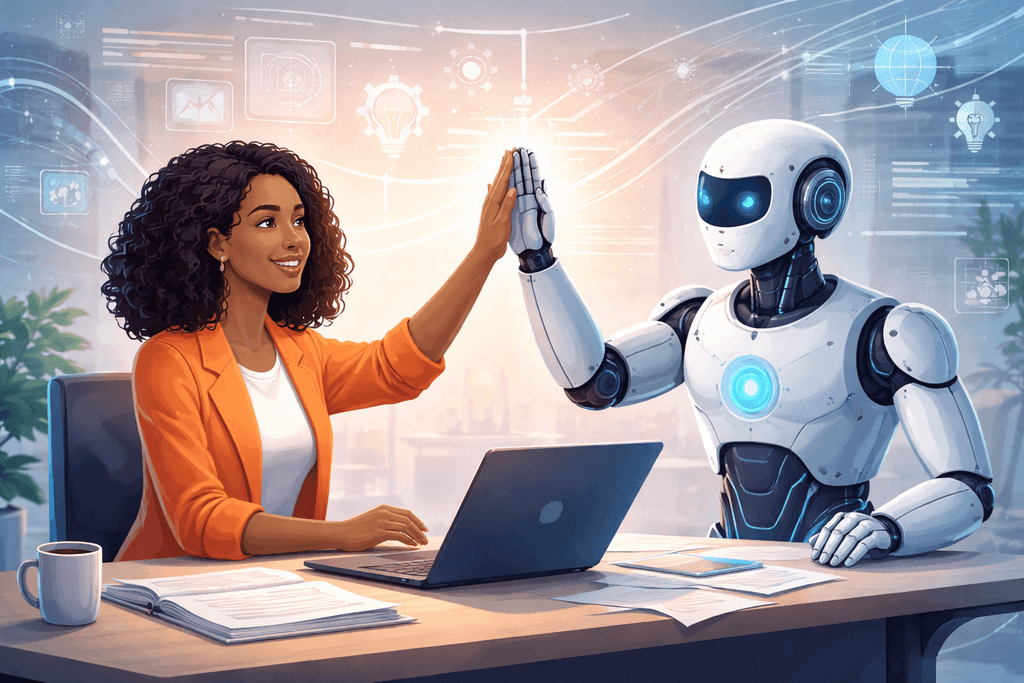
In recent years, the world has been actively debating whether artificial intelligence (AI) will replace humans. Some predict apocalyptic scenarios, while others overly romanticize the technology. The reality lies somewhere in between. AI is indeed transforming work, processes, professions, and the business landscape—but the key point is this: AI is not a competitor or an enemy to humans. It is a tool that can amplify human capabilities when used thoughtfully and strategically.
This article aims to move beyond fear and hype to examine what AI truly changes, what remains uniquely human, what new opportunities it creates, and how businesses can prepare for the next stage of development.
The Myth That “AI Will Take Our Jobs” — Why This Oversimplifies Reality
One of the most common fears around artificial intelligence is that it will take jobs away from people. This concern is not new. Humanity has faced it every time technological revolutions reshaped the labor market—from the Industrial Revolution and assembly lines to computers, the internet, and industrial automation.
And each time, the same pattern emerged:
- jobs did not disappear entirely—specific tasks within jobs did
- routine and technical work was taken over by machines
- people moved into more complex, strategic, and creative roles
- entirely new professions emerged
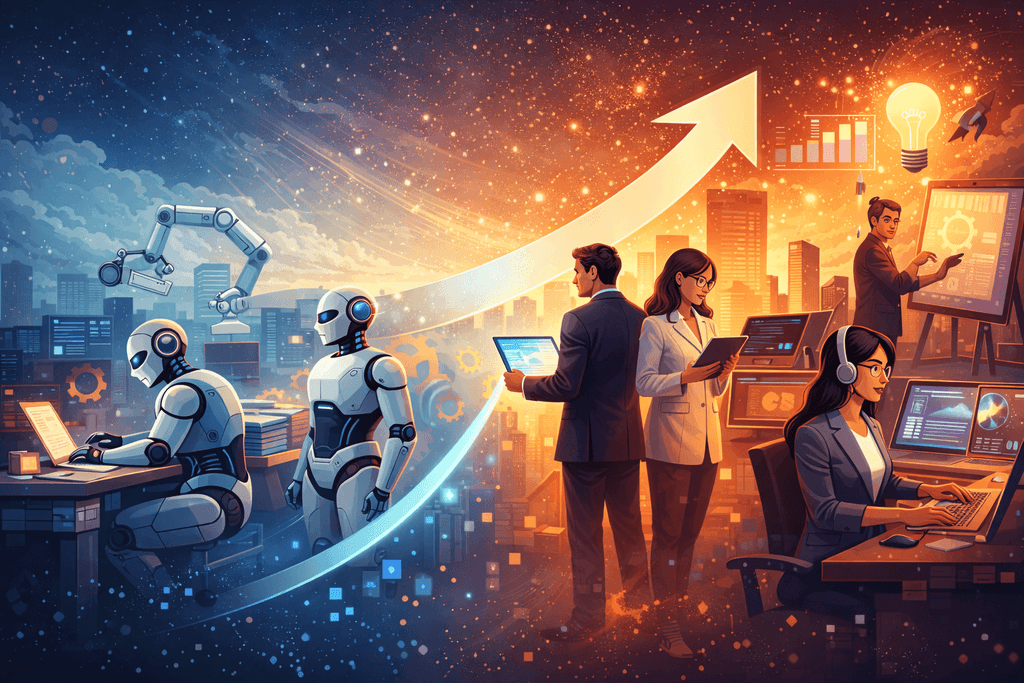
The same process is unfolding today. AI is not “taking” jobs—it is changing the structure of work. Organizations that understand this are no longer asking, “Will AI replace humans?” Instead, they are asking a far more productive question: “How can we work with AI in a way that benefits both the business and the team?”
Where AI Truly Excels: Tasks Better Handled by Machines
AI is not designed to “think like a human.” It is designed to do what humans would otherwise take too long, be too complex, or be unsafe to perform.
1. Speed of Data Processing and Complex Computation
Artificial intelligence in business analytics: AI can analyze massive volumes of data in moments. Tasks that take humans hours or days can be completed by algorithms in seconds.
This is especially valuable for:
- business analytics
- forecasting
- scenario modeling
- risk assessment
- data-driven decision-making
2. Repetitive and Routine Tasks
Performing the same actions repeatedly without losing focus or quality is difficult for humans—but not for machines.
AI is highly effective when it comes to:
- executing standard operations
- processing documents
- structuring information
- supporting operational processes
3. Decision Support
One important distinction: AI supports decision-making, but it does not replace human responsibility. Algorithms can suggest options, run simulations, and highlight risks, but the final decision always belongs to a human.
Where AI Is Limited: What Humans Still Do Best
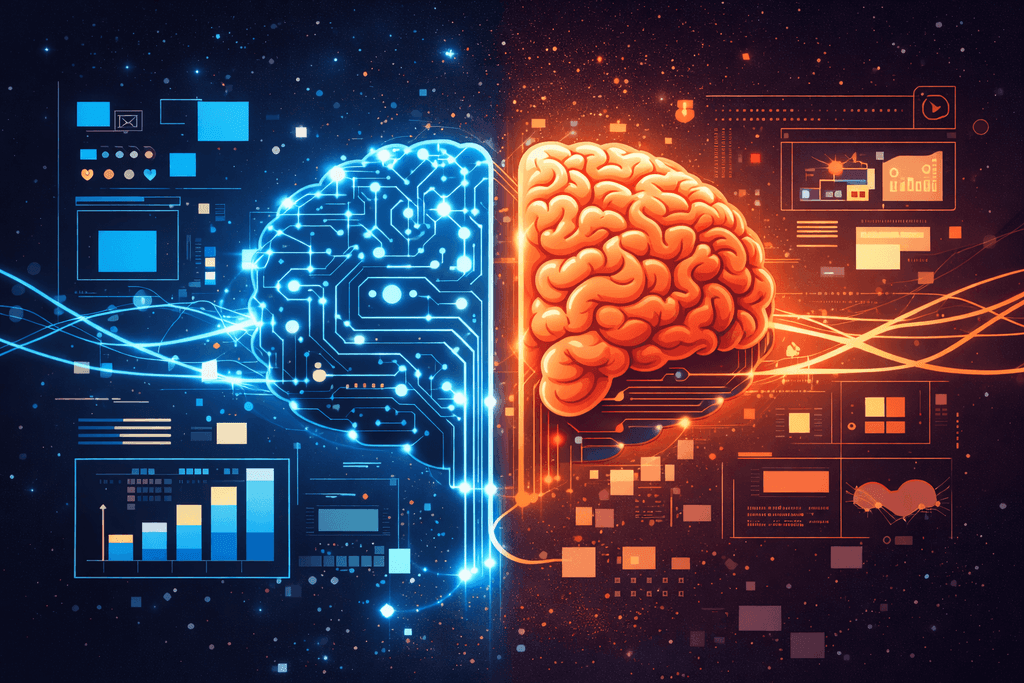
Despite all technological advances, there are areas where AI will not replace humans for a long time, if it ever can.
1. Strategic and Systems Thinking
AI operates on past and present data. It cannot truly:
- understand context
- account for political, emotional, and cultural factors
- take responsibility for the future
Strategic vision remains a fundamentally human domain.
2. Creativity and Innovation
Yes, AI can generate text, design, and music—but it does so by recombining what already exists. True innovation emerges from:
- intuition
- experience
- emotional response
- personal vision
- human imagination
These are qualities algorithms do not possess.
3. Emotion, Empathy, and Leadership
Leadership is not a process—it is built on relationships, trust, inspiration, and the ability to understand people.
AI does not experience:
- fear
- joy
- pain
- responsibility
- moral dilemmas
As a result, it cannot replace leadership, mentorship, emotional support, or genuine collaboration.
AI as an Amplifier: The “Human + AI” Model
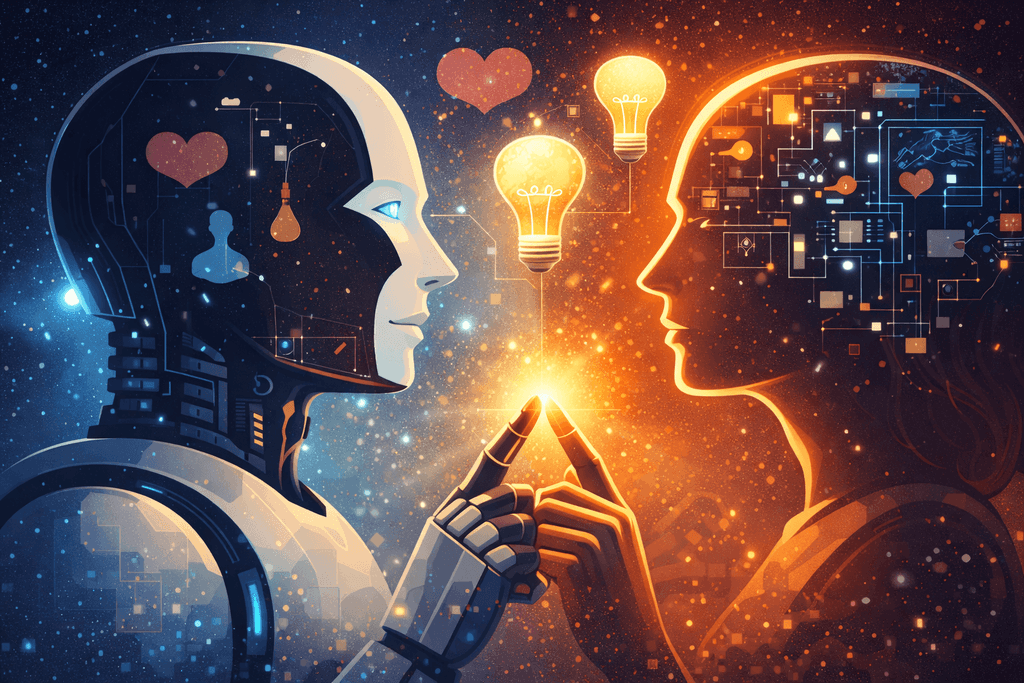
Machines and automated systems take on what they do best: analyzing data, calculating, forecasting, and structuring processes. People, in turn, retain what matters most: thinking, interpretation, prioritization, and responsibility for decisions.
This is exactly how the human + tool model works. For example, when working with QPM, automation does not replace the project manager — it removes routine work, accelerates planning, makes dependencies visible, and keeps focus on what matters. As a result, the PM can make higher-quality decisions instead of spending time on manual process management.
As a result:
- fewer errors
- faster processes
- higher decision quality
- increased productivity without overloading people
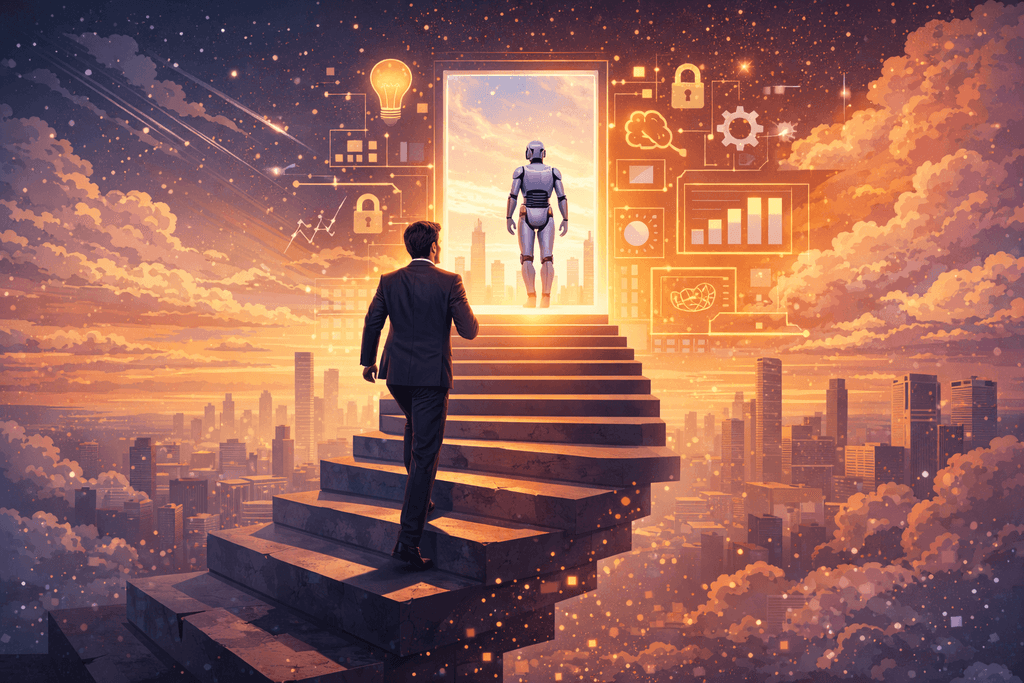
Key Skills in the Age of AI
As with any technological revolution, those who succeed are not the ones who resist change, but those who learn to adapt.
Skills for working with AI
The ability to write effective prompts, critically evaluate AI outputs, and integrate AI tools into daily work is becoming as fundamental as computer or internet skills once were.
Critical Thinking
AI can make mistakes, and sometimes with great confidence. That’s why humans must verify information, analyze results, and question assumptions.
Soft Skills as a Competitive Advantage
Communication, emotional intelligence, leadership, and creativity define human value in an increasingly technology-driven world.
AI Risks and Limitations: A Realistic Perspective
For balance, it’s important to acknowledge that AI is not perfect. It comes with risks that businesses must take into account.
Overreliance on Technology
When organizations blindly delegate critical processes to AI, they become vulnerable.
Data Privacy and Security
Protecting sensitive information, using data responsibly, and ensuring regulatory compliance are essential.
Ethical Considerations
AI can:
- unintentionally reinforce bias
- produce unfair outcomes
- make mistakes
That’s why one principle remains critical: humans must stay in the final decision-making loop (human-in-the-loop).
What Businesses Can Do Today
To ensure that AI truly becomes an amplifier rather than a threat, businesses need to take a systematic approach.
1. Don’t Fight AI—Integrate It
Companies that pretend “this doesn’t apply to us” will fall behind. AI is already influencing markets, productivity, and competitiveness.
2. Invest in People, Not Just Technology
Technology without skilled people is just a tool. Trained employees combined with the right technology create a real strategic advantage.
3. Build a Culture of Flexibility and Learning
Don’t punish experimentation. Don’t scare employees with messages like “you’ll be replaced.” Make it clear that AI is a form of support—not a threat.
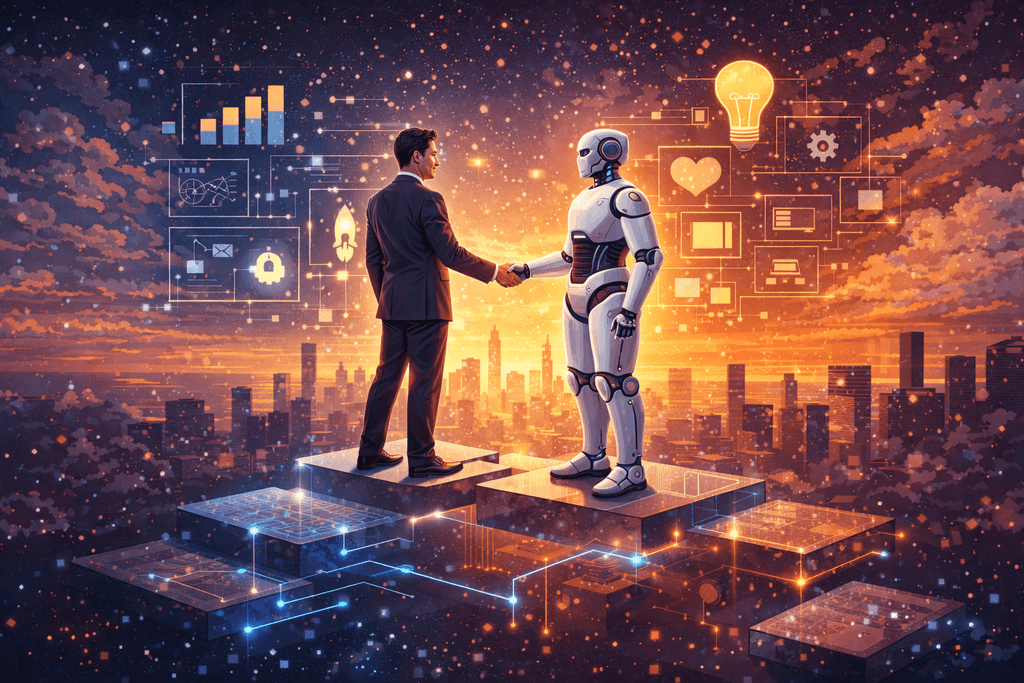
Conclusion: The Future Is Human–AI Collaboration
Artificial intelligence did not arrive to “take jobs away.” It came to redesign work—to make it smarter, faster, more efficient, and, paradoxically, more human.
The future will not belong to those who fear AI, nor to those who overestimate its capabilities. It will belong to those who see AI as a partner, a tool, and an amplifier of human potential.