Project Management Trends in 2026: The New Reality and How Teams Can Adapt

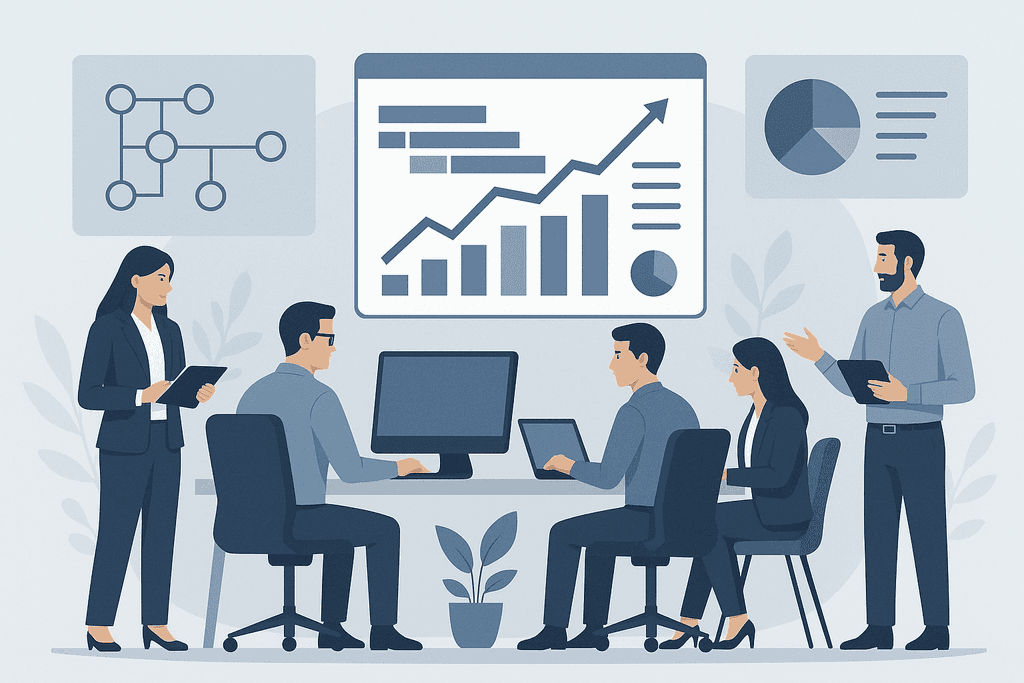
The project management industry is undergoing fundamental changes. Business needs are growing, teams are working across different countries, products are becoming more complex, and the pace of change is unprecedented. In this environment, classic approaches no longer work the way they used to. Planning in spreadsheets, with dozens of fragmented tools and endless status meetings, no longer delivers results.
The year 2026 will mark the moment when project management finally shifts from a reactive model to a structured flexibility model, where the key values become transparency, team alignment, and clear organization of work.
In this article, we explore the key trends of the year and explain how QPM already supports teams in this transformation.
Hybrid Methodologies as the New Standard
According to the Project Management Institute, more and more companies are transitioning to hybrid management models that combine the flexibility of Agile with the structure of traditional approaches. If Agile and Waterfall were previously seen as opposites, by 2026, more and more companies will adopt them together. The need for adaptability remains, but businesses also expect predictability and structured processes.
Hybrid models make it possible to combine the advantages of both approaches: flexible cycles with clearly defined stages and structure, and fast iterations with the ability to plan at a high level. This is especially relevant for medium- and large-sized products, where design, development, analytics, and marketing teams work simultaneously.
QPM supports such hybrid models organically: the structure of project streams, stages, and iterations makes it easy to combine long-term planning with short execution cycles.
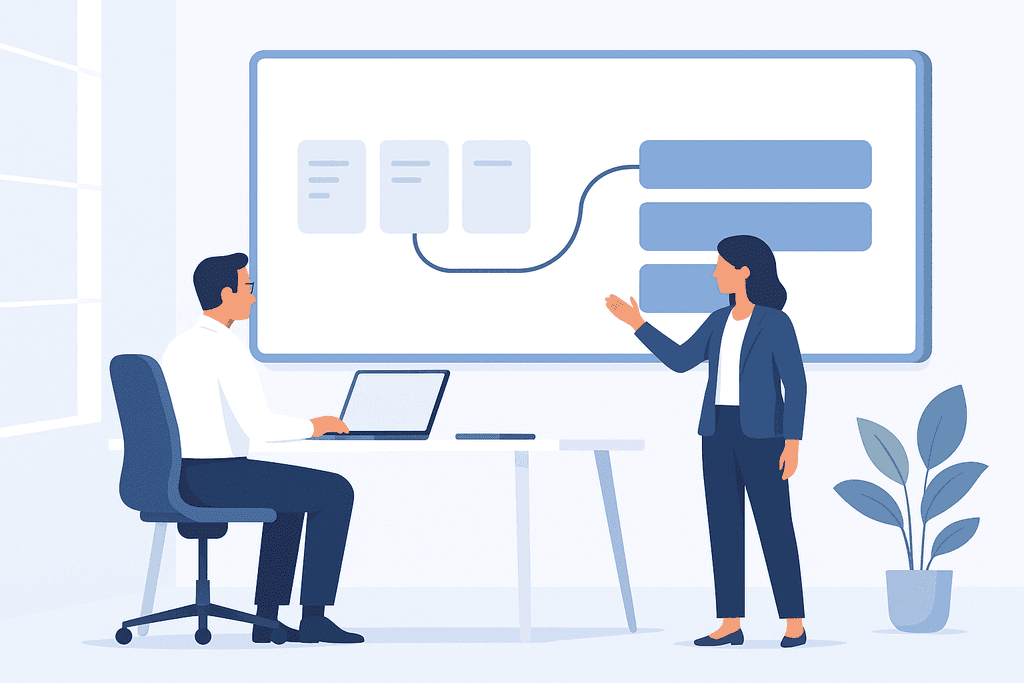
Platformization Instead of a Set of Separate Tools
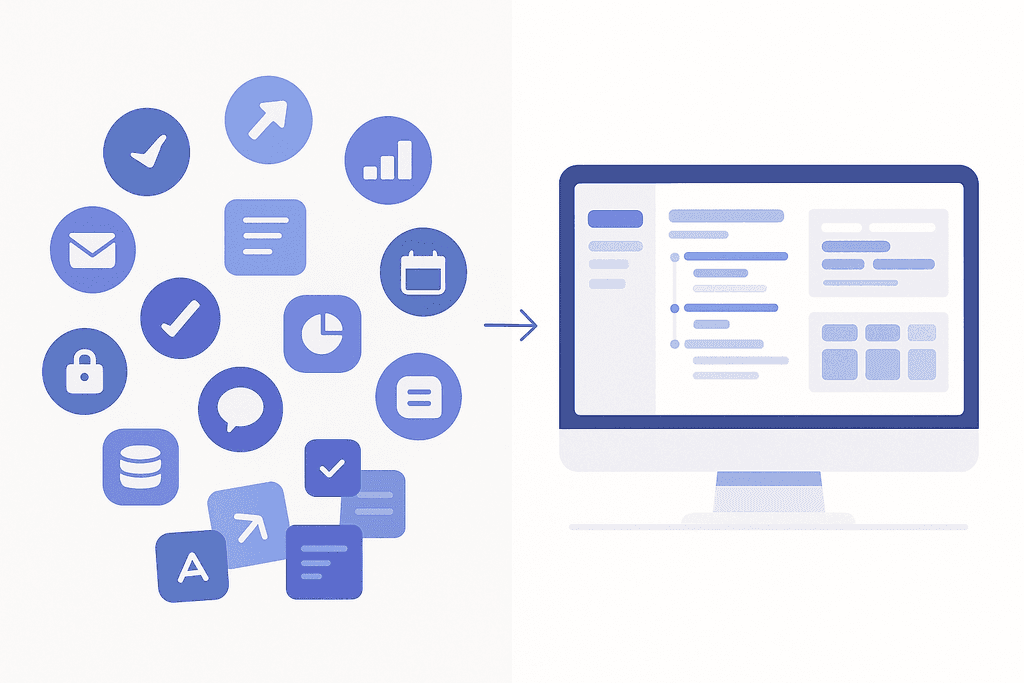
One of the most noticeable trends of 2026 is the transition from disconnected solutions to complete platforms. Teams no longer want to switch between task trackers, spreadsheets, messengers, documents, and reports. This creates fragmentation, with information lost and communication lasting hours or even days.
More and more companies are looking for a single project management tool like QPM, where they can:
- plan work,
- coordinate team actions,
- track progress,
- store documents,
- view decision history,
- comment on and approve tasks.
This centralization saves time, reduces errors, and makes processes more transparent. QPM is explicitly designed as a unified system that collects all aspects of project work in one place, which is significant for fast-growing teams.
Transparent Planning and Full Project Alignment
Another major trend is the demand for clarity. The more complex the product, the harder it becomes to understand what is happening in neighboring modules or which dependencies exist between teams.
In 2026, teams expect that:
- the project plan will be clear to all participants,
- tasks will have logical connections,
- priorities will be visible and justified,
- changes will not get lost across different tools.
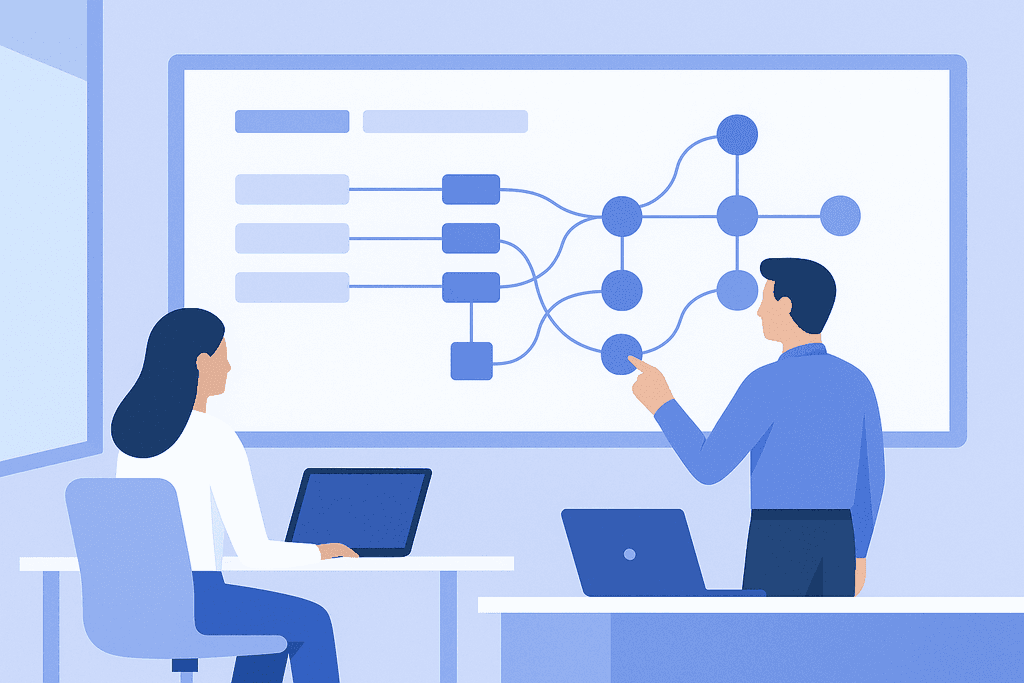
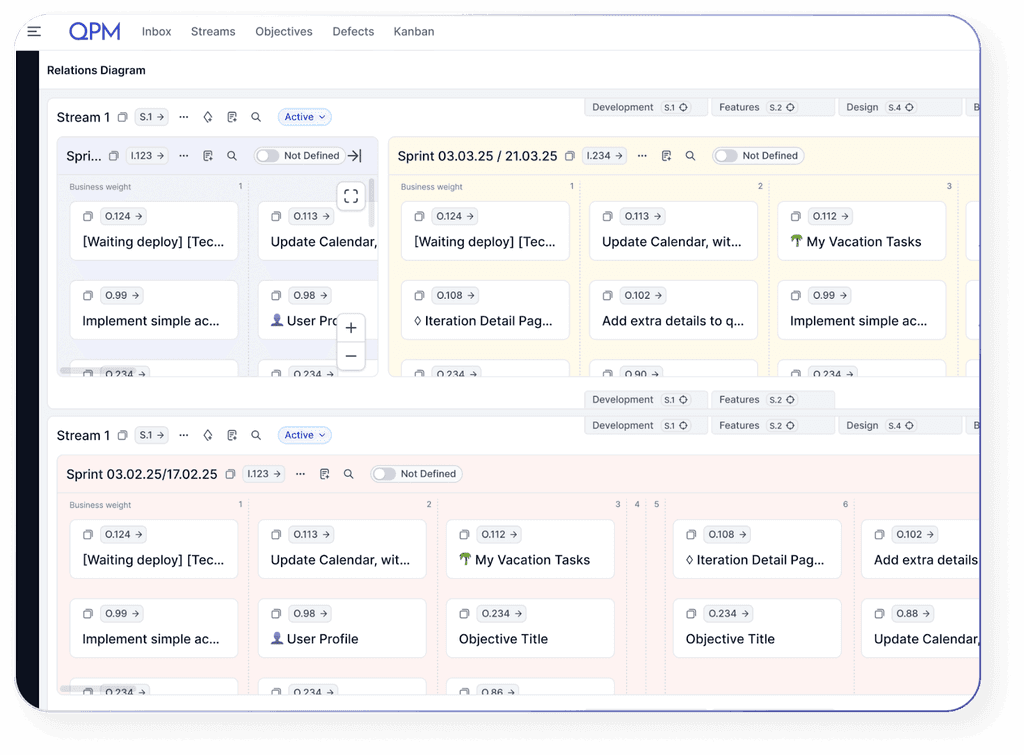
In QPM, transparent planning is implemented through a centralized task structure and the Relations Diagram (a dependency visualization tool), enabling each participant to understand their responsibilities and the overall project picture.
Autoplanning Becomes a Critical Feature for Growing Teams
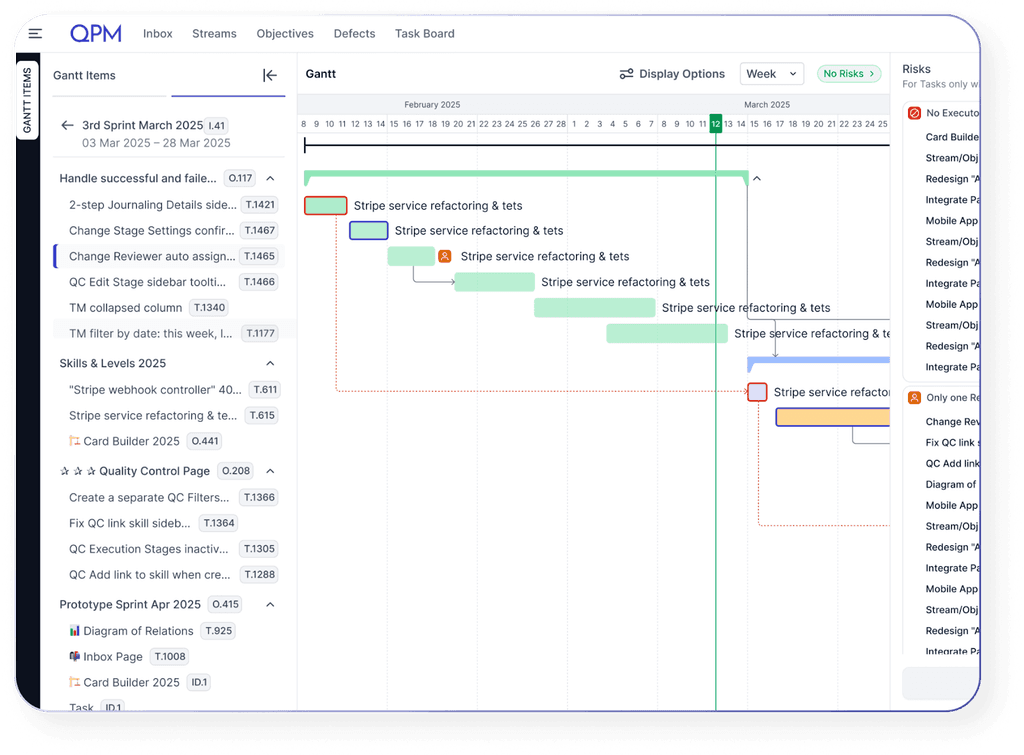
QPM is a platform that offers intelligent autoplanning — an algorithm that analyzes the project structure and helps build an optimal task sequence.
As projects become larger and involve multiple teams, autoplanning becomes a crucial tool that allows teams to:
- reduce the workload on managers,
- eliminate routine manual work,
- build a logical task execution order,
- avoid chaotic or random planning,
- save time during project launch or scaling.
This functionality is especially valuable for companies going through a phase of rapid growth and periodic management overload.
Scalability as a Requirement, Not a Bonus
Distributed teams have become the norm, and by 2026, this trend will only strengthen. Working with people across different time zones requires a clear structure, transparent communication, and the ability to find the information needed quickly.
Tools that cannot handle a large number of streams, tasks, or teams become bottlenecks in business processes. Modern platforms must perform equally reliably for small startups and for large product or outsourcing organizations.
QPM is designed to handle high data volumes, complex structures, and a large number of simultaneous users. This makes the platform suitable for both startups and mid-sized enterprise teams.
Dependency Management as a Key Condition for Successful Delivery
Modern products comprise dozens of modules and subprojects that interact with one another. In such conditions, dependencies often become the primary source of delays.
In 2026, dependency management becomes one of the most essential elements of professional project management. Teams expect that:
- dependencies will be clearly marked,
- links between tasks will be visible,
- cross-blockers will be easy to identify,
- it will be possible to track which modules impact others.
QPM provides the QPM Relations Diagram, a dependency visualization tool that allows teams to see the project structure “from above” — from high-level stages to individual tasks. This helps avoid critical bottlenecks and identify potential blockers in advance.
Real-Time Analytics Instead of Manual Reporting
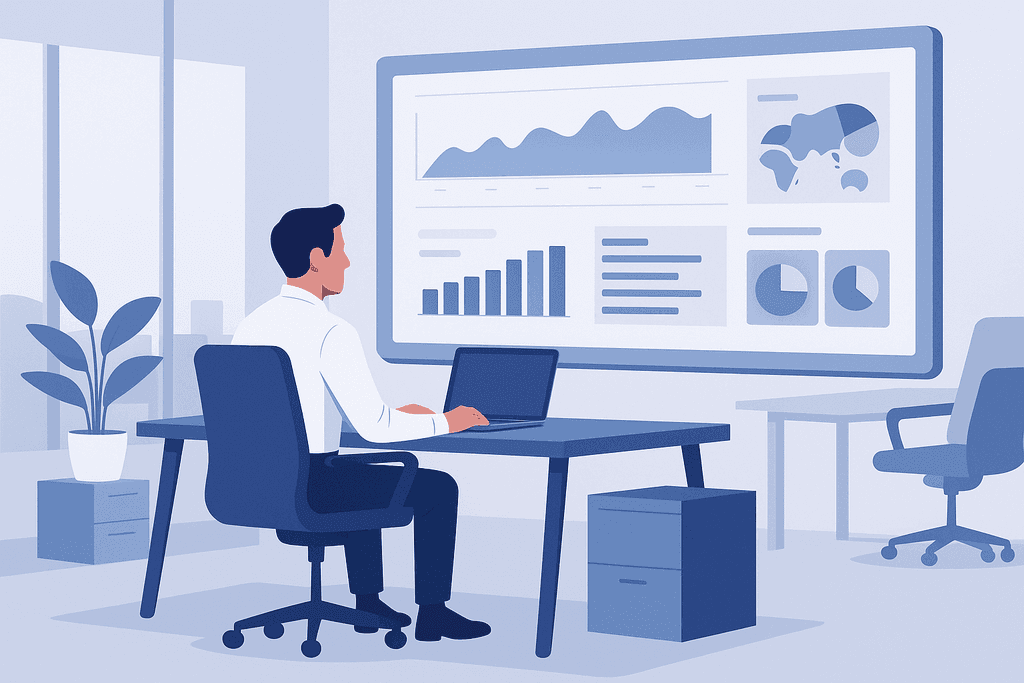
Managers and executives need a live project picture rather than static reports. In 2026, business expectations regarding transparency will increase significantly.
Teams want to see:
- clear progress for each stream,
- task and team statuses,
- team workload,
- execution dynamics,
- process bottlenecks.
In QPM, analytics is integral to daily work. The platform allows users to instantly see how work is moving and where attention is needed. This makes management more conscious and predictable, even without complex forecasting tools.
Integrations as a Key Element of a Modern Platform
In 2026, there is no point in building a platform isolated from other tools. Teams continue working with GitHub, GitLab, Azure, Google Drive, and OneDrive — and expect seamless synchronization.
QPM supports integrations that help preserve context, avoid duplication, and simplify collaboration between different departments.
What This Means for Teams in 2026
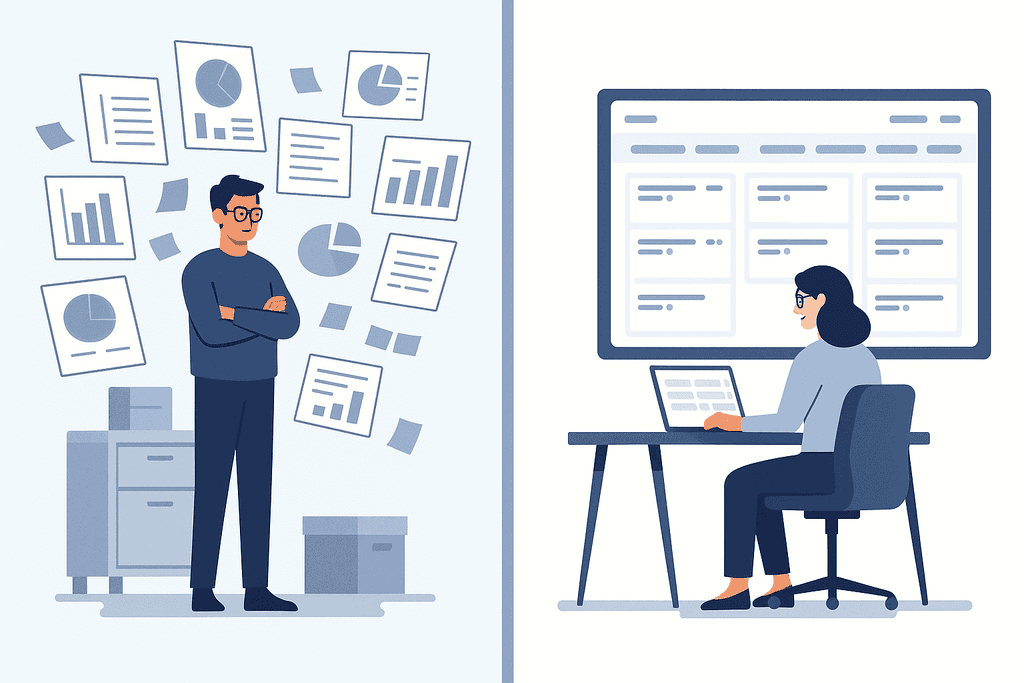
Companies that continue to operate with manual workflows, fragmented tools, and unstructured processes face:
- information fragmentation,
- higher delivery risks,
- data loss,
- communication complexity,
- manager overload,
- uncontrolled blockers.
Those who transition to modern platforms gain:
- stable processes,
- transparent workflows,
- faster task execution,
- less routine coordination,
- better cross-team collaboration,
- easier onboarding,
- higher responsibility and autonomy of teams.
Conclusion
The year 2026 marks the turning point, when project management stops being a purely administrative function and becomes a strategic element of product development. Teams need tools that allow them to work fast, in a structured way, and without chaos.
QPM already enables this today:
- a single platform instead of fragmented tools,
- transparent project structure,
- dependency management,
- automatic task assignment,
- logical autoplanning that saves time,
- support for hybrid work approaches.
2026 will belong to teams that implement flexible, structured, and unified platforms. QPM is precisely such a system.